Views: 0 Author: Site Editor Publish Time: 2025-05-17 Origin: Site


The modern workplace is undergoing a radical transformation, driven by artificial intelligence and smart technologies. As we move further into 2025, one innovation stands poised to redefine our daily work experience: AI-powered smart desks. These intelligent workstations are no longer just surfaces to place our laptops—they're evolving into proactive assistants that optimize our productivity, health, and overall work performance.
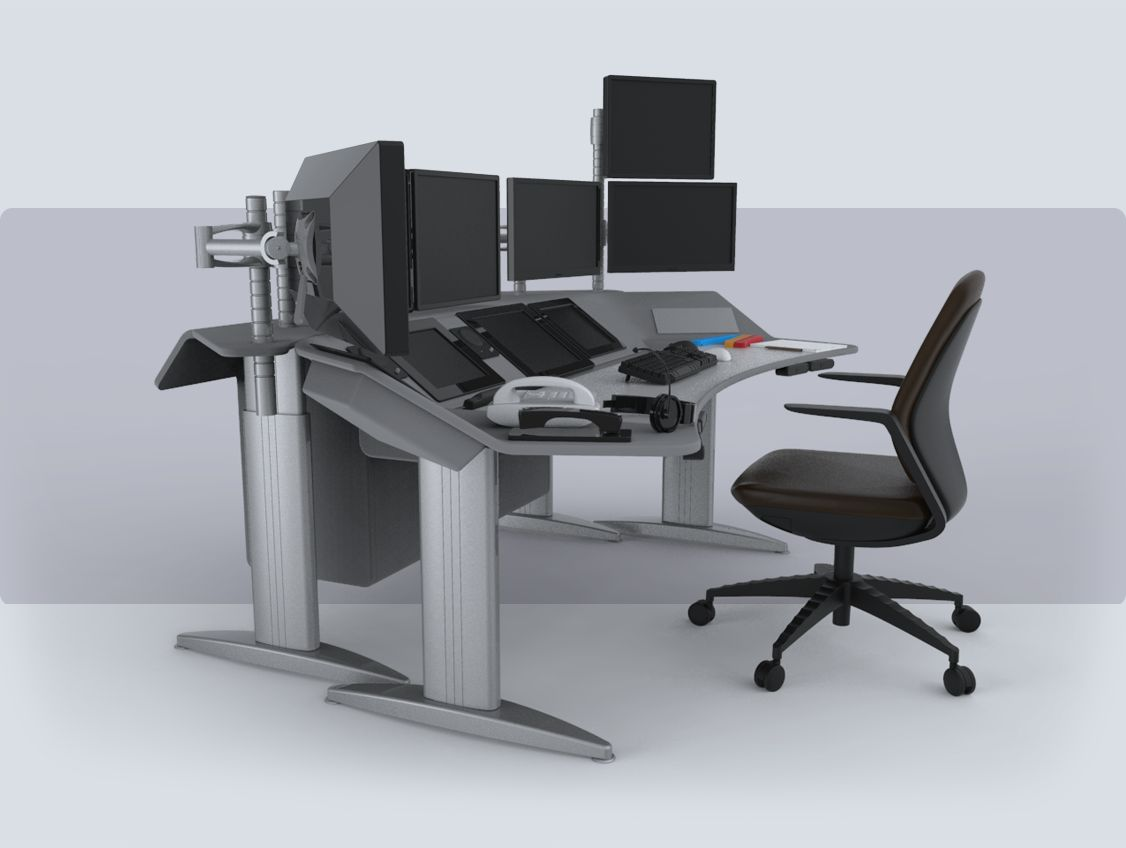
The Rise of the Smart Workspace
The concept of smart desks isn't entirely new, but recent advancements in AI have elevated them from simple height-adjustable surfaces to truly intelligent work companions. Microsoft's recent integration of GPT-4 capabilities into Office applications demonstrates how AI is becoming deeply embedded in our work tools. Similarly, smart desks are now incorporating these same AI principles to create workspaces that adapt to our needs rather than requiring us to adapt to them.
Modern AI-powered desks combine several cutting-edge technologies:
- Embedded sensors that monitor posture, movement, and work patterns
- Voice-controlled interfaces powered by natural language processing (NLP)
- Adaptive lighting and display systems that respond to environmental conditions
- Integrated productivity tools that connect with your digital workflow
- Health monitoring features that promote wellbeing throughout the workday
How AI Transforms the Traditional Desk
What makes these desks truly "smart" is their ability to learn from user behavior and proactively make adjustments. Much like Microsoft's 365 Copilot helps users with document creation and data analysis, smart desks serve as physical counterparts that optimize the tangible aspects of work.
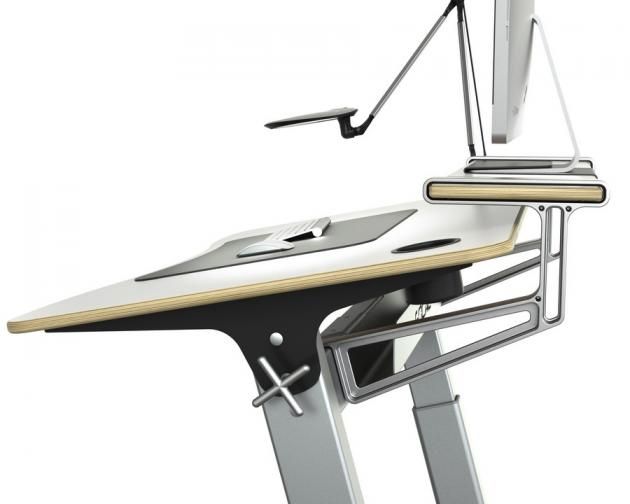
Personalized Work Environments: AI desks can remember your preferred height settings, monitor angles, and even lighting preferences for different times of day. Over time, they learn your work rhythms—when you're most focused, when you tend to take breaks—and can suggest optimal work schedules.
Health Optimization: These desks go beyond simple reminders to stand up. Advanced models use computer vision to analyze your posture in real-time, offering gentle corrections through subtle desk adjustments or notifications. Some integrate with wearable devices to monitor stress levels and suggest micro-breaks when needed.
Seamless Digital Integration: Imagine starting your workday by simply saying "Good morning" to your desk. It logs you into all your work systems, adjusts the environment to your preferences, and even surfaces your most urgent tasks—similar to how Agentic AI systems are transforming HR workflows.
The Business Case for Smart Desks
For companies considering these investments, the benefits extend far beyond employee novelty:
1. Productivity Gains: Studies show that optimized workspaces can improve focus and output. AI desks take this further by dynamically adapting to individual work patterns.
%1. Health Cost Reductions: By preventing repetitive strain injuries and promoting better posture, these desks can significantly reduce workplace health claims—a major concern as remote work continues.
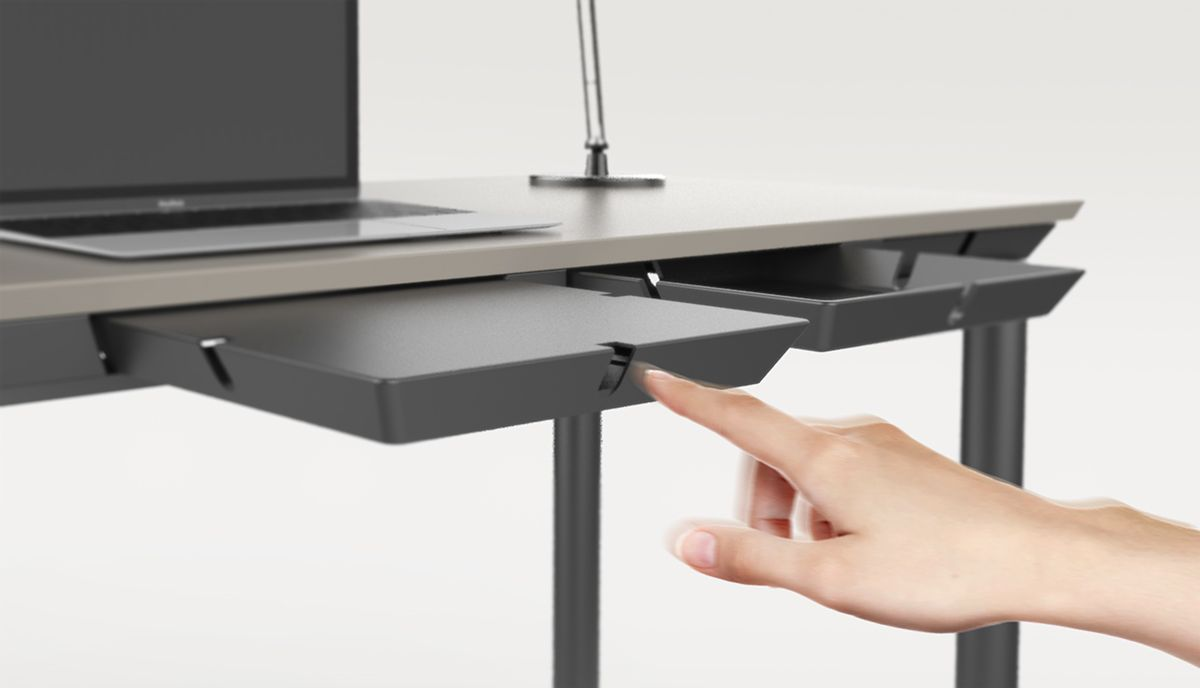
3. Data-Driven Workspace Design: The anonymized data collected from smart desks can help organizations optimize office layouts and resource allocation, much like how AI is transforming marketing through data analysis.
4. Attracting Top Talent: In competitive job markets, cutting-edge workspace technology serves as a powerful recruitment tool, especially for tech-savvy professionals.
Challenges and Considerations
Despite their promise, AI-powered desks present some challenges:
- Privacy Concerns: Continuous monitoring raises valid questions about data collection and usage that companies must address transparently.
- Integration Complexity: Ensuring these desks work seamlessly with existing IT infrastructure requires careful planning.
- Cost Barriers: Early adoption comes at a premium, though prices are expected to drop as the technology matures.
The Future of Smart Desks
Looking ahead, we can expect several exciting developments:
- Multi-modal Interaction: Future desks will likely combine voice, gesture, and even gaze tracking for more natural control, similar to the multi-modal capabilities seen in AI agents like Google's Gemini 2.0.
- Predictive Assistance: Advanced AI will anticipate needs before users articulate them—preparing video conference settings when it detects an upcoming meeting, for example.
- Emotional Intelligence: Incorporating affective computing, desks may adjust lighting, temperature, or even suggest breaks based on detected stress levels.
- Ecosystem Integration: Smart desks won't operate in isolation but as part of broader smart office ecosystems, coordinating with other IoT devices for a truly cohesive work environment.
Conclusion: A Workspace Revolution
As AI continues its rapid advancement—evidenced by developments from major players like OpenAI, Microsoft, and Google—the humble desk is becoming a central hub of workplace innovation. AI-powered smart desks represent more than just a productivity tool; they signify a fundamental shift in how we conceptualize and interact with our work environments.
For forward-thinking businesses and professionals, adopting this technology early could provide a significant competitive edge. As we've seen with other AI applications in marketing, HR, and operations, the organizations that effectively leverage these tools will likely lead their industries in both performance and employee satisfaction.
The workspace of the future isn't just smart—it's thoughtful, adaptive, and relentlessly focused on helping us do our best work. AI-powered desks are leading this transformation, one intelligent adjustment at a time.