Views: 0 Author: Site Editor Publish Time: 2025-08-07 Origin: Site


Building your own executive office desk transforms any workspace into a command center that reflects professionalism and personal style. While purchasing a high-end desk can cost thousands of dollars, creating a custom executive office desk allows you to design exactly what you need while saving money and gaining the satisfaction of crafting something with your own hands.
An executive office desk serves as more than just a work surface. It's the centerpiece of your professional environment, a statement piece that communicates authority and attention to detail. Whether you're setting up a home office or upgrading your corporate workspace, a well-built executive desk provides the functionality and presence needed to enhance productivity and impress clients.
This comprehensive guide walks you through every step of building a stunning executive office desk from scratch. You'll learn about material selection, essential tools, construction techniques, and finishing touches that will result in a desk worthy of any corner office.
Before picking up any tools, spend time planning your executive office desk design. Consider the dimensions of your space, your specific work requirements, and the overall aesthetic you want to achieve.
Start by measuring your office space carefully. An executive desk typically ranges from 60 to 84 inches in width, 30 to 36 inches in depth, and 29 to 30 inches in height. These generous proportions provide ample workspace while maintaining the commanding presence expected from executive furniture.
Think about your daily work habits. Do you need multiple monitor setups? Will you require built-in filing systems or cable management? Consider incorporating features like keyboard trays, wire grommets, or built-in power outlets during the planning phase rather than adding them later.
Sketch your design from multiple angles, noting specific measurements and features. This planning stage prevents costly mistakes and ensures your finished executive office desk meets all your functional requirements.
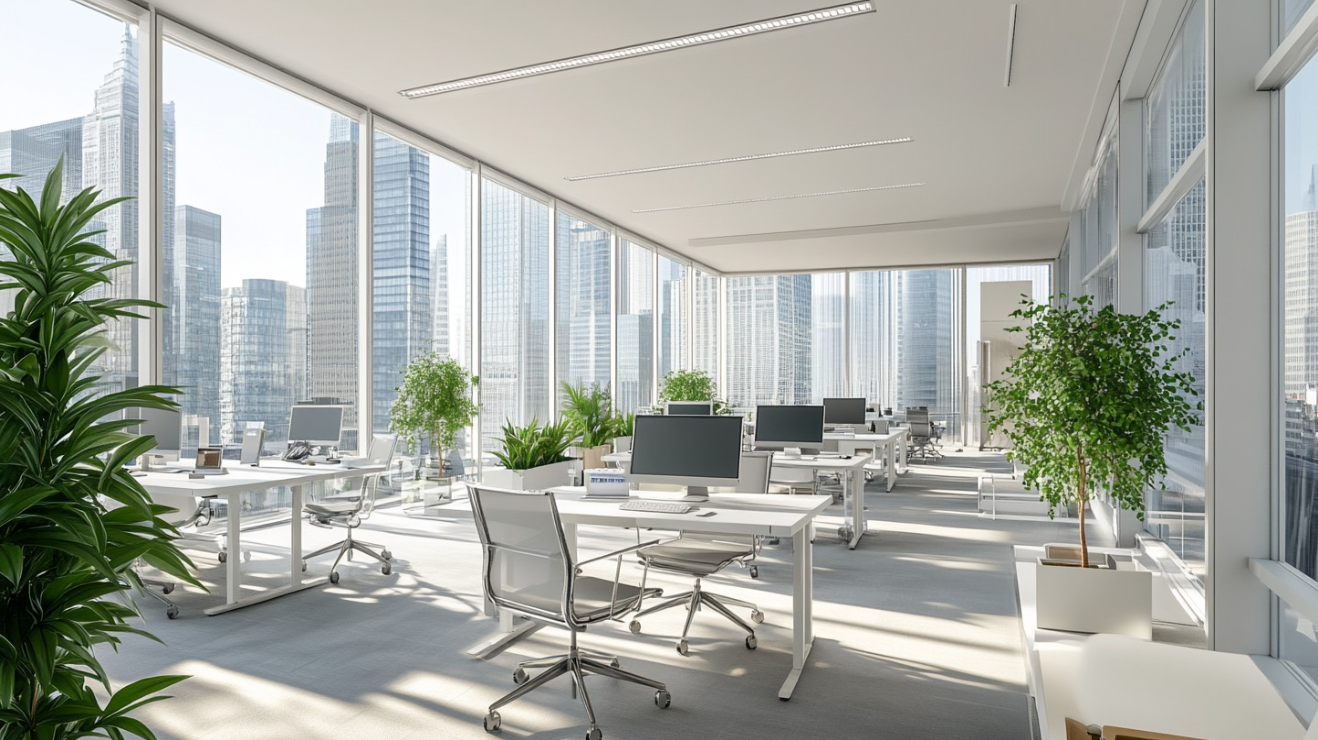
The materials you choose will determine both the appearance and longevity of your executive office desk. Solid hardwood remains the gold standard for executive furniture, offering durability, beauty, and the ability to be refinished over time.
Hardwood Options:
· Walnut: Rich chocolate tones with distinctive grain patterns create an luxurious appearance
· Oak: Classic choice offering strength and prominent grain that stains beautifully
· Cherry: Ages to a deep reddish-brown and provides excellent workability
· Maple: Light colored with subtle grain, perfect for contemporary designs
· Mahogany: Traditional executive wood with reddish hues and exceptional stability
For those on a tighter budget, high-quality plywood with hardwood veneer can produce excellent results. Choose cabinet-grade plywood with at least 13 plies for maximum stability and strength.
You'll also need quality hardware including drawer slides, hinges, handles, and wood screws. Invest in soft-close drawer slides and European-style hinges for that high-end feel your executive office desk deserves.
Success in building an executive office desk depends heavily on having the right tools. While you don't need a fully equipped cabinet shop, certain tools are essential for achieving professional results.
Power Tools:
· Circular saw or miter saw for cutting lumber to length
· Router for creating decorative edges and joinery
· Random orbital sander for smooth finishing
· Drill/driver for assembly and hardware installation
· Pocket hole jig for strong, hidden joints
Hand Tools:
· Tape measure and marking tools
· Chisels for fine-tuning joints
· Clamps in various sizes for glue-ups
· Hand planes for final surface preparation
· Level for ensuring proper assembly
Safety Equipment:
· Safety glasses and hearing protection
· Dust mask or respirator for sanding and finishing
· Work gloves for handling lumber
Quality tools make the building process more enjoyable and help ensure your executive office desk meets professional standards.
Building your executive office desk requires careful attention to each construction phase. Start with the main desk frame, then add the desktop, drawers, and finally all hardware and finishing touches.
Begin construction with the desk frame, which provides the structural foundation for your executive office desk. Cut your vertical supports to the desired height minus the thickness of your desktop material.
Create the frame using traditional joinery methods like mortise and tenon joints, or simplify the process with pocket screws and wood glue. Pocket screws provide excellent strength while remaining hidden from view.
Assemble the frame on a flat surface, checking for square measurements at each step. Use clamps to hold pieces in position while fastening, and don't rush this critical phase.
The desktop represents the most visible part of your executive office desk, so take extra care with its construction and finishing. If using solid wood, edge-glue boards together to achieve your desired width.
Allow glued panels to dry completely before surface preparation. Use progressively finer grits of sandpaper, starting with 120-grit and finishing with 220-grit for a smooth surface that's ready for staining or clear coating.
Consider adding decorative edge treatments using your router. A simple roundover or ogee profile adds visual interest without overwhelming the design.
Executive desks typically include various storage options like file drawers, utility drawers, and open shelving. Plan these storage solutions to maximize functionality while maintaining the desk's clean lines.
Install drawer slides according to manufacturer specifications, ensuring they're level and properly aligned. Test fit all drawers before final installation to avoid alignment issues later.
For filing capabilities, size drawers to accommodate standard letter or legal-size hanging folders. Add dividers or organizer inserts to keep supplies organized and easily accessible.
The finishing process transforms raw wood into furniture-grade beauty. Proper surface preparation is crucial for achieving professional results.
Start with thorough sanding using progressively finer grits. Remove all dust between sanding steps using a tack cloth or compressed air. Any scratches or imperfections will be magnified once finish is applied.
Choose your finish based on durability requirements and desired appearance. Polyurethane provides excellent protection for high-use surfaces, while shellac offers a traditional look with moderate protection.
Apply finish in thin, even coats, sanding lightly between coats with fine sandpaper. Three coats typically provide adequate protection and depth for an executive office desk.

Hardware selection can make or break the professional appearance of your executive office desk. Choose handles and knobs that complement your design while providing comfortable operation.
Install soft-close drawer slides and hinges to eliminate slamming and provide that high-end feel clients expect from executive furniture. These mechanisms also extend the life of your desk by reducing wear from impact.
Consider adding modern conveniences like built-in USB charging ports, wire management systems, or LED task lighting. These features enhance functionality while maintaining the classic appeal of your executive office desk.
Proper maintenance keeps your custom executive office desk looking professional for decades. Dust regularly with a microfiber cloth, and clean spills immediately to prevent staining.
Reapply finish as needed, typically every 3-5 years depending on use. Light sanding and a fresh coat of finish will restore the original luster and protection.
Use coasters and desk pads to protect the surface from water rings and scratches. These simple precautions preserve your investment and maintain the professional appearance your executive office desk was designed to provide.
Building your own executive office desk creates a workspace that's uniquely yours while demonstrating the quality and attention to detail that defines true craftsmanship. The skills you develop during this project will serve you well for future woodworking endeavors, and the satisfaction of working at a desk you built yourself is immeasurable.
Remember that building quality furniture takes time and patience. Don't rush through steps, and take pride in creating something that will serve you professionally for years to come. Your custom executive office desk will be a constant reminder of what's possible when you combine planning, quality materials, and skilled craftsmanship.
Start planning your executive office desk project today, and soon you'll be conducting business from behind a piece of furniture that's as unique and professional as you are.