Views: 0 Author: Site Editor Publish Time: 2025-06-11 Origin: Site


The modern workplace has undergone a seismic shift with the rise of hybrid work models. As employees split their time between home offices and corporate spaces, businesses face new challenges in creating work environments that are adaptable, sustainable, and conducive to productivity. Modular furniture emerges as the perfect solution to these evolving needs, offering flexibility, easy reconfiguration, and environmental benefits. In this article, we'll explore why modular furniture is essential for hybrid work environments and highlight five top solutions that can transform your office into a dynamic, future-ready space.
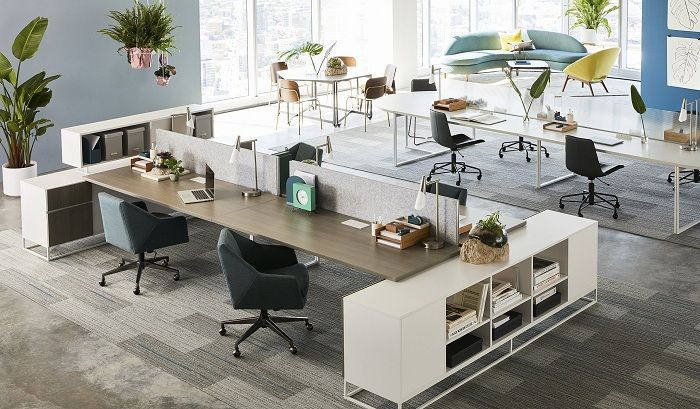
The Rise of Hybrid Work and Its Impact on Office Design
The hybrid work model—where employees divide their time between remote and in-office work—has become the new standard for many organizations. This shift has fundamentally changed what employees expect from their workspaces:
- Flexibility: Spaces must accommodate varying numbers of employees on different days
- Collaboration: Areas need to easily transform for team meetings or individual focus work
- Sustainability: Environmentally conscious designs are increasingly important
- Comfort: Employees expect home-like comfort in office settings
- Technology integration: Furniture must support seamless connectivity
Modular furniture addresses all these needs through its adaptable nature, allowing companies to maximize their real estate investment while creating spaces that employees actually want to use.
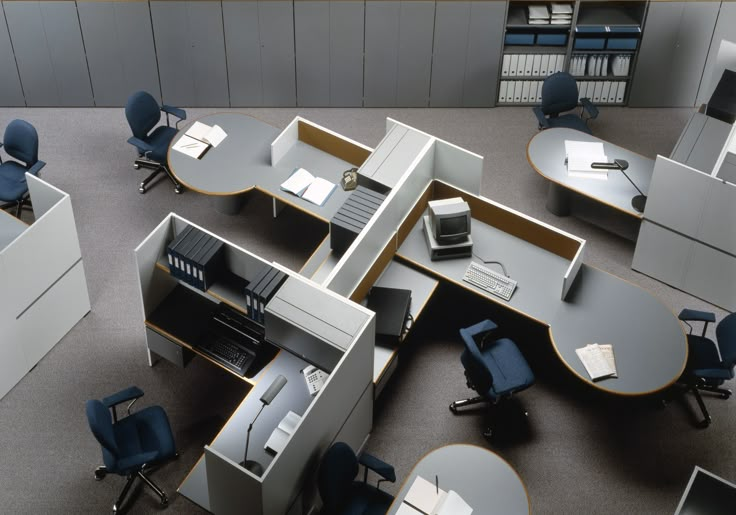
Why Modular Furniture is the Future of Hybrid Workspaces
Modular furniture systems offer distinct advantages that make them ideal for today's flexible offices:
1. Space Optimization: Components can be rearranged or expanded based on daily needs
2. Cost Efficiency: Companies can add pieces over time rather than complete overhauls
3. Sustainability: Many modular systems use recycled materials and are designed for disassembly
4. Employee Satisfaction: Workers gain control over their immediate environment
5. Future-proofing: Spaces can evolve as work patterns change without major renovations
The environmental benefits are particularly noteworthy. As seen with Ahrend's Remode office chair, manufacturers are increasingly using recycled materials like repurposed fishing nets to create high-performance furniture that supports circular economy principles.
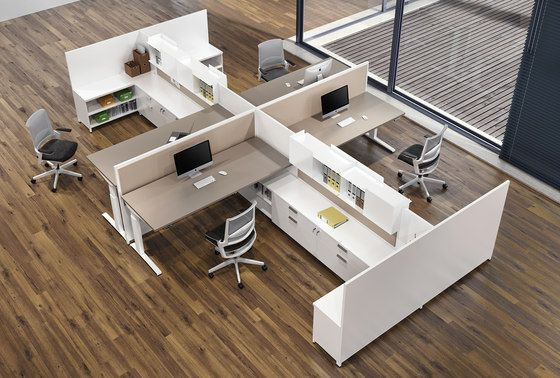
Top 5 Modular Furniture Solutions for Flexible Offices
1. Remode Recycled Office Chair by Ahrend
Key Features:
- Made from 62% recycled materials including 50% marine plastics
- Weighs only 15kg with 30% glass fiber reinforced structure
- Designed for complete disassembly and recycling
- Excellent mechanical properties comparable to virgin materials
The Remode chair exemplifies how sustainability and performance can coexist in office furniture. Its structure, backrest, and star-shaped base are made from Akulon® RePurposed, a high-performance polyamide material derived from recycled fishing nets. This innovative approach removes waste from oceans while creating durable, functional seating perfect for hybrid offices that prioritize environmental responsibility.
Ahrend's product development lead explains: "By using this sustainable material, we can create Remode's value chain specifically designed for recycling while reducing carbon emissions". The chair's light weight (just 15kg) also contributes to lower transportation emissions.
Best for: Companies seeking sustainable seating with premium ergonomics
2. Framery Modular Pod System
Key Features:
- Soundproof phone booths and meeting pods
- Various sizes for 1-6 people
- Easy to relocate as needs change
- Acoustic insulation for focus work
As hybrid work reduces dedicated desks, employees need quiet spaces for focused work or private calls. Framery's modular pods solve this problem with elegant, functional designs that can be placed anywhere in the office and moved as requirements evolve.
Best for: Creating instant private spaces in open-plan offices
3. Steelcase Flex Collection
Key Features:
- Reconfigurable team tables and storage
- Mobile power solutions
- Height-adjustable components
- Visual privacy screens
Steelcase's Flex system allows teams to quickly transform spaces from collaborative hubs to individual workstations. The integrated power solutions keep devices charged regardless of configuration, addressing a key pain point in activity-based working environments.
Best for: Teams needing frequent workspace reconfiguration
4. Orangebox Do Modular Sofa System
Key Features:
- Endless configuration possibilities
- Integrated power and data
- Acoustic performance
- Sustainable materials
Orangebox's Do system creates comfortable lounge areas that can be arranged to support various work styles—from casual meetings to individual contemplation. The pieces connect seamlessly while providing hidden technology integration.
Best for: Creating inviting collaborative zones
5. Herman Miller Motivo Meeting Tables
Key Features:
- Modular components form tables of any size
- Built-in cable management
- Lightweight yet stable
- Sustainable manufacturing
Herman Miller's Motivo tables solve the conference room puzzle in hybrid offices—how to have appropriately sized spaces for varying numbers of in-person attendees. The modular design allows small 4-person setups to expand for all-hands meetings, then contract again for daily use.
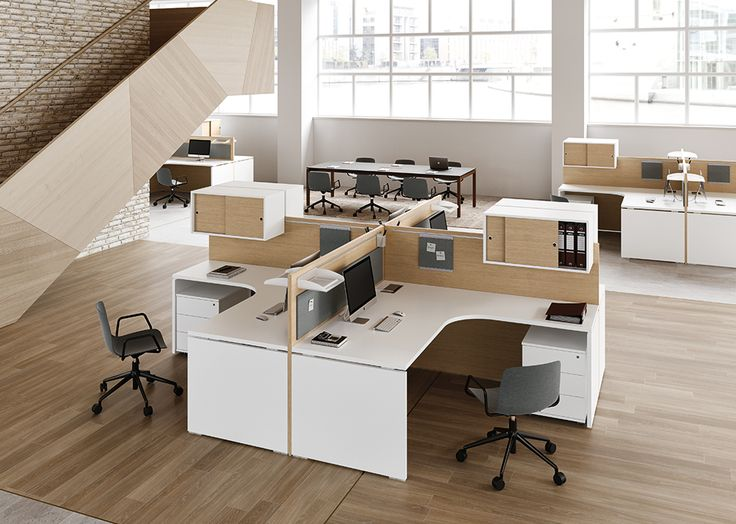
Best for: Flexible meeting spaces
Implementing Modular Furniture in Your Hybrid Office
Transitioning to a modular furniture system requires careful planning:
1. Assess Needs: Track how employees use space throughout the week
2. Start Small: Pilot modular solutions in one department or floor
3. Employee Input: Involve staff in selecting and testing pieces
4. Technology Integration: Ensure furniture supports your digital infrastructure
5. Future Growth: Choose systems that can expand with your company
The success of modular furniture depends on its ability to serve both the organization's and employees' needs. As demonstrated by Ahrend's approach with the Remode chair, the most effective solutions combine sustainability with high performance and user-centric design.
The Sustainability Advantage of Modular Furniture
Modular furniture aligns perfectly with corporate sustainability goals through:
- Material Choices: Like the Remode chair's use of recycled fishing nets
- Longevity: Repairable designs extend product lifecycles
- End-of-Life Planning: Designed for disassembly and recycling
- Reduced Waste: Companies can add pieces rather than replace entire sets
The "cradle to cradle" philosophy mentioned by Ahrend's product development team—where products are designed with their next life in mind—is becoming increasingly important in office design. Modular systems naturally support this approach through their adaptable, repairable nature.
Measuring the ROI of Modular Furniture
While modular furniture may have higher upfront costs than conventional options, the long-term benefits are significant:
- Real Estate Savings: More efficient space use can reduce square footage needs
- Employee Productivity: Better spaces improve focus and collaboration
- Reduced Renovation Costs: Reconfiguring spaces requires no construction
- Sustainability Benefits: May qualify for green building certifications
- Talent Attraction: Modern workspaces help recruit top performers
Companies like Ahrend demonstrate how sustainable materials don't require performance compromises—the Remode chair's structural components made from recycled materials withstand high static and dynamic loads just as well as virgin materials.
Future Trends in Modular Office Furniture
As hybrid work evolves, expect to see:
1. Smarter Furniture: Built-in sensors to optimize space utilization
2. Hyper-local Materials: Like regionally sourced recycled content
3. Biophilic Integration: Natural elements incorporated into modular systems
4. Health-focused Designs: Features that promote movement and wellbeing
5. Even Greener Materials: Continued innovation in sustainable composites
The success of products like the Remode chair, with its innovative use of marine plastics, points toward a future where nearly all office furniture incorporates significant recycled content without sacrificing quality or durability.
Conclusion: Embracing Flexibility Through Modular Design
The hybrid work era demands office designs that can adapt as quickly as work patterns change. Modular furniture provides this essential flexibility while offering additional benefits in sustainability, employee satisfaction, and cost efficiency. From Ahrend's eco-conscious Remode chair to configurable meeting systems, today's top modular solutions help create workspaces that are prepared for whatever the future of work may bring.
By investing in modular systems now, companies can build offices that:
- Accommodate fluctuating attendance
- Support diverse work styles
- Reduce environmental impact
- Minimize future renovation needs
- Foster collaboration and innovation
As the Remode chair demonstrates through its use of recycled fishing nets, the most forward-thinking furniture solutions address today's needs while protecting tomorrow's world. For organizations navigating the hybrid work landscape, modular furniture isn't just an option—it's the smart, sustainable foundation for the future of work.