Views: 0 Author: Site Editor Publish Time: 2025-06-23 Origin: Site


Introduction: The Growing Demand for Green Workspaces
In today's business environment, sustainability has become a key priority for organizations worldwide. As companies strive to meet ESG (Environmental, Social, and Governance) goals and employees increasingly value eco-conscious workplaces, sustainable office furniture has emerged as a crucial element in modern workspace design.
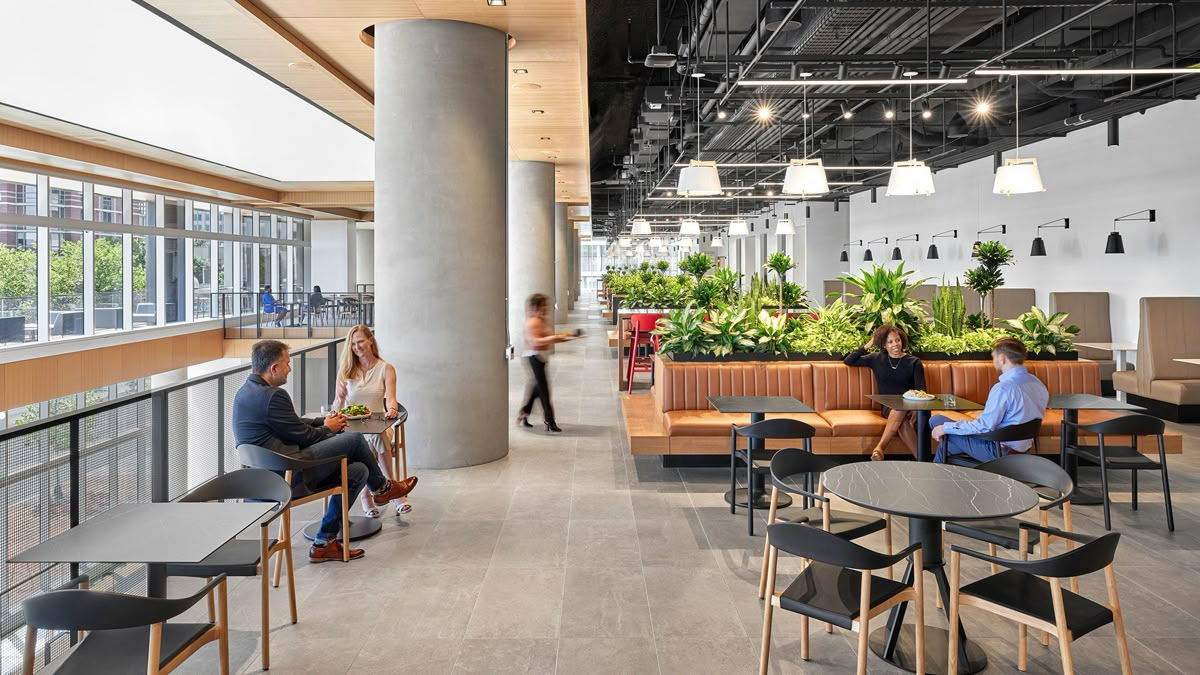
This comprehensive guide explores how businesses can transform their offices with environmentally responsible furniture solutions that don't compromise on style, comfort, or functionality. We'll examine the latest innovations in materials, highlight leading sustainable brands, and provide practical tips for creating a workspace that benefits both your team and the planet.
Why Sustainable Furniture Matters More Than Ever
1. Environmental Benefits
- Reduces deforestation: Using FSC-certified wood and alternative materials helps preserve forests
- Lowers carbon footprint: Recycled materials require less energy to produce than virgin materials
- Minimizes waste: Circular design principles keep furniture out of landfills
2. Employee Wellbeing Advantages
- Healthier indoor air quality: Low-VOC materials prevent harmful emissions
- Enhanced comfort: Ergonomic designs reduce workplace injuries
- Increased productivity: Studies show employees perform better in green-certified offices
3. Business Value
- Meets corporate sustainability targets
- Improves brand reputation among eco-conscious consumers
- Qualifies for green building certifications like LEED
Cutting-Edge Sustainable Materials Revolutionizing Office Design
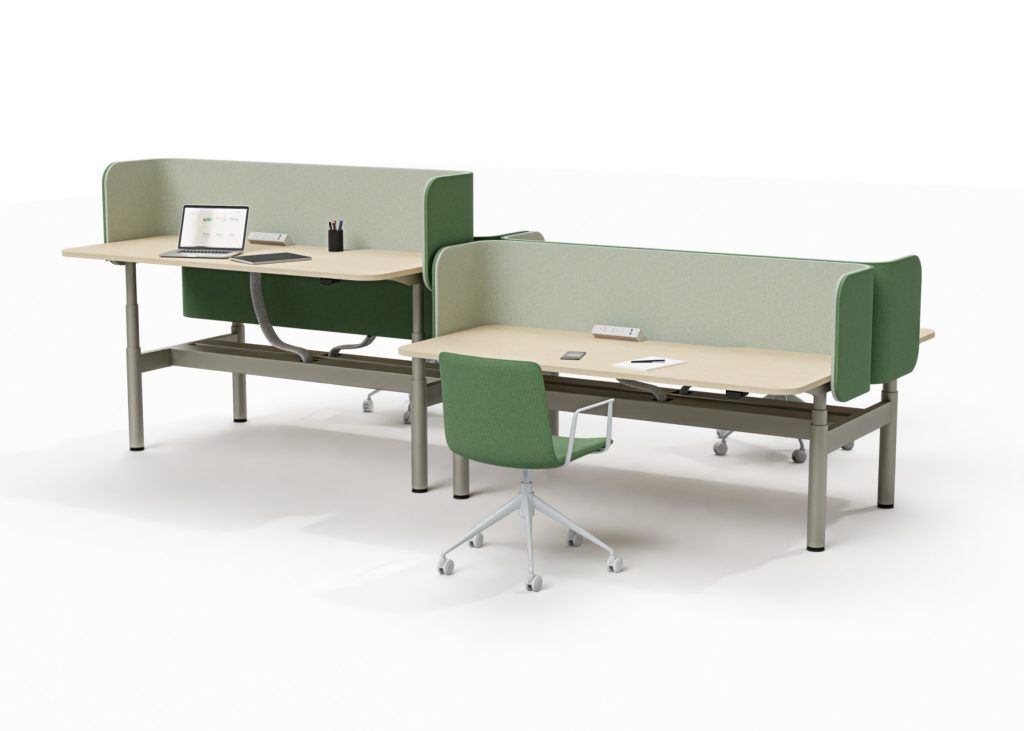
1. Recycled and Upcycled Materials
- Post-consumer plastics: Chairs made from recycled water bottles (e.g., Haworth's Oceanic fabric)
- Reclaimed wood: Tables crafted from salvaged timber
- Recycled metals: Aluminum and steel components with 75%+ recycled content
2. Innovative Bio-Based Materials
- Mycelium (mushroom) composites: For acoustic panels and packaging
- Bamboo: Grows 30x faster than hardwood trees
- Agricultural waste fibers: Made from coconut husks, banana stems, or coffee grounds
3. Low-Impact Manufacturing Processes
- Water-based adhesives instead of toxic glues
- Powder-coating finishes that eliminate VOC emissions
- Digital fabrication to minimize material waste
Leading Sustainable Furniture Brands Setting the Standard
1. Herman Miller
- Cradle to Cradle Certified® products
- 100% recyclable Aeron chair
- Net-zero carbon commitment by 2030
2. Steelcase
- Global Take-Back Program for furniture recycling
- 100% renewable electricity in manufacturing
- Declare Label transparency for all materials
3. Humanscale
- Plastic-neutral product line
- Self-powered seating (no hydraulic mechanisms)
- Transparent sustainability reporting
Practical Steps to Create Your Sustainable Workspace
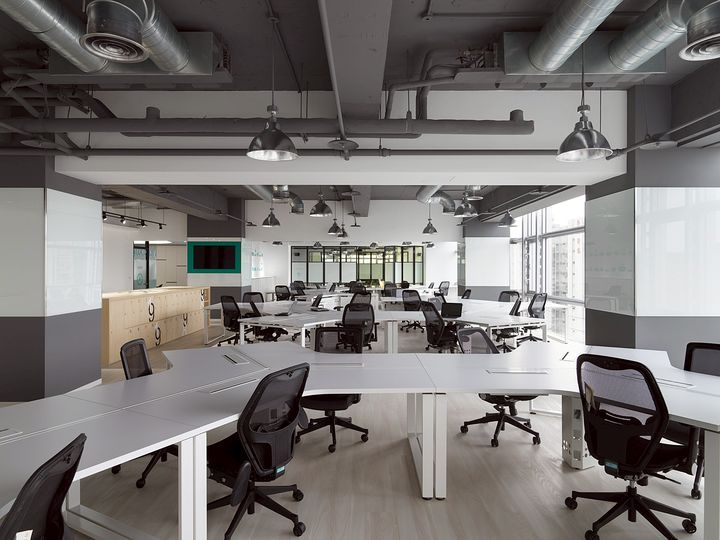
1. Start with an Audit
- Assess current furniture's environmental impact
- Identify pieces that can be refurbished instead of replaced
- Calculate potential waste reduction
2. Smart Purchasing Strategies
- Prioritize modular systems that adapt to changing needs
- Choose multi-functional pieces to reduce total furniture count
- Opt for local manufacturers to cut transportation emissions
3. Maintenance for Longevity
- Implement regular cleaning and care routines
- Train staff on proper furniture use
- Establish repair protocols before replacement
4. End-of-Life Planning
- Partner with furniture recycling programs
- Donate usable items to schools or nonprofits
- Explore manufacturer take-back initiatives
The Future of Sustainable Office Design
Emerging trends that will shape tomorrow's workspaces:
- Carbon-negative furniture that removes more CO2 than it produces
- Blockchain-tracked materials for complete supply chain transparency
- Self-healing materials that extend product lifespans
- Rental and furniture-as-a-service models to promote sharing economies
Conclusion: Building Workspaces That Work for Everyone
Sustainable office furniture represents more than just an environmental choice—it's an investment in employee health, operational efficiency, and corporate responsibility. By carefully selecting eco-friendly pieces and implementing responsible furniture management practices, businesses can create workspaces that are as good for people as they are for the planet.
The transition to sustainable furniture doesn't require compromising on quality or design. Today's green options offer equal (if not superior) performance, comfort, and aesthetic appeal compared to conventional alternatives. As technology advances and more companies embrace circular economy principles, sustainable office solutions will only become more accessible and affordable.
Ready to transform your workspace? Start small with one sustainable piece, measure its impact, and gradually build your eco-conscious office one thoughtful decision at a time. Your employees—and the environment—will thank you.
Would you like help creating a customized sustainable furniture plan for your specific office needs? Our team of green design experts would be happy to assist.