Views: 0 Author: Site Editor Publish Time: 2025-06-16 Origin: Site


As an independent website operator, you understand the importance of creating content that resonates with your audience while driving traffic. This article exposes the hidden dangers of inexpensive office chairs that many businesses purchase to cut costs, unaware of the serious health consequences for their employees. We'll reveal three major health risks associated with cheap office chairs and provide actionable solutions to protect your wellbeing without breaking the bank.
Introduction: The Silent Threat in Your Workspace
In today's remote work era, many professionals and businesses opt for budget-friendly office chairs, prioritizing cost savings over ergonomic quality. What they don't realize is that these seemingly harmless furniture pieces could be silently damaging their health. Research shows that prolonged sitting in poorly designed chairs contributes to what scientists now call "sitting disease" - a cluster of health issues directly linked to sedentary behavior in unsuitable seating .
The average office worker spends 6-8 hours daily seated, and with cheap chairs, this translates to constant strain on the body . While premium ergonomic chairs carry hefty price tags, the true cost of cheap alternatives manifests in medical bills, lost productivity, and chronic pain. Let's examine the three most alarming health risks you're inviting with that discount office chair.
1. Spinal Damage and Chronic Back Pain
The Hidden Mechanics of Poor Chair Design
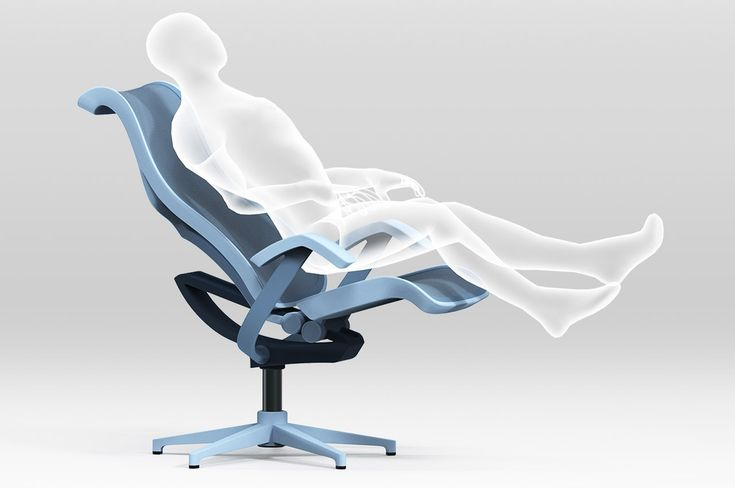
Cheap office chairs typically lack proper lumbar support, forcing your spine into unnatural positions. Unlike ergonomic chairs that maintain the spine's natural S-curve, budget options often flatten or overarch the lower back. This misalignment places excessive pressure on intervertebral discs, potentially leading to:
- Lumbar disc degeneration: The liquid-filled discs between vertebrae temporarily flatten under constant pressure from improper sitting, making sudden movements more likely to cause herniation .
- Muscle imbalances: Weak core muscles from prolonged sitting fail to support the spine adequately, creating a vicious cycle of pain and poor posture .
- Tailbone injuries: Continuous pressure on the coccyx from hard or poorly angled seats can damage surrounding soft tissues and nerves .
A study tracking office workers found those using non-ergonomic chairs reported 74% more back pain incidents than those with proper support . The problem compounds over time - what begins as occasional discomfort often evolves into chronic conditions requiring medical intervention.
Real-World Consequences
Mark, a 32-year-old content creator, shares his experience: "After two years working in a $50 office chair, I developed such severe lower back pain that I needed physical therapy three times a week. The therapist explained how my chair had essentially trained my muscles to work incorrectly. Investing in a better chair was cheaper than continuing treatment."

2. Circulatory Problems and Increased Cardiac Risk
How Cheap Chairs Strangle Your Circulation
Budget chairs often feature thin, hard seats that compress blood vessels in the thighs and buttocks. This design flaw creates several concerning issues:
- Reduced blood flow: Sitting for just 3 hours can decrease artery dilation by 50%, significantly slowing circulation . Over time, this strains the heart as it works harder to pump blood through compressed vessels.
- Higher heart disease risk: Research shows sitting over 10.6 hours daily (common with uncomfortable chairs that discourage movement) increases heart failure risk by 45% and cardiovascular death risk by 62% - even among those who exercise regularly .
- Blood clots: Vascular experts warn that prolonged sitting in poorly designed chairs increases pressure on leg veins, raising the risk of deep vein thrombosis (DVT) .
The American Heart Association emphasizes that no amount of exercise fully counteracts these effects - the damage happens at the cellular level, with prolonged sitting altering muscle cell biochemistry to promote heart disease .
The Metabolic Meltdown
Cheap chairs also contribute to metabolic syndrome by:
- Impairing insulin sensitivity: Just 24 hours of continuous sitting reduces insulin's glucose uptake ability by 40%, elevating type 2 diabetes risk .
- Increasing "bad" cholesterol: Two weeks of sitting over 6 hours daily raises LDL cholesterol and fatty molecules in the blood .
Dr. Elin Ekblom-Bak of the Swedish School of Sport and Health Sciences explains: "After four hours of sitting, genes regulating glucose and fat metabolism start shutting down. This occurs regardless of fitness level" .
3. Neck Strain, Headaches, and Cognitive Decline
The Cervical Spine Crisis
Budget chairs typically lack proper headrests and adjustable features, forcing users into unhealthy neck positions:
- Forward head posture: Cheap chairs encourage the "C-shaped" slump, where the neck juts forward to view screens. This position adds 10 pounds of pressure per inch the head leans forward .
- Nerve compression: Poor posture pinches cervical nerves, causing tension headaches that 80% of office workers experience weekly .
- Accelerated disc degeneration: The average head weighs 10-12 pounds. When improperly supported, this weight strains neck vertebrae, potentially leading to early arthritis.
The Brain Drain Connection
Emerging research reveals an alarming mind-body connection:
- Reduced brain function: Physical movement pumps oxygenated blood to the brain. Sitting stagnantly for hours decreases cerebral circulation, impairing focus and memory .
- Increased anxiety: Sedentary behavior correlates with higher anxiety levels, possibly due to reduced blood flow and oxygen to the brain .
- Long-term cognitive risks: Studies suggest sitting 6+ hours daily for 10-20 years may reduce quality-adjusted life expectancy by up to 7 years, partly due to dementia risks .
Neuroscientists found that students using standing desks showed measurable improvements in brain engagement and academic performance compared to seated peers . This underscores how chair quality impacts more than just physical health.
Solutions: Protecting Your Health Without Overspending
While high-end ergonomic chairs offer ideal support, these practical solutions make healthier seating accessible:
1. The Budget Ergonomic Upgrade
- Lumbar cushions: Affordable memory foam supports ($15-$30) can transform any chair by maintaining spinal curves.
- Seat wedges: Angled cushions promote proper pelvic tilt, reducing lower back strain.
- Adjustable armrests: Add-on arm supports help maintain 90-degree elbow angles.
%1. Movement Integration Strategies
Combat sitting's effects regardless of chair quality:
- The 20-8-2 rule: For every 30 minutes, sit for 20 minutes, stand for 8, and move for 2 .
- Micro-movements: Fidgeting, calf raises, or shoulder rolls boost circulation during seated periods .
- Walking meetings: Replace conference room sittings with mobile discussions .
3. Smart Hybrid Workstations
- Standing desk converters: Affordable platforms ($50-$150) transform regular desks into sit-stand workstations.
- Balance ball chairs: Engage core muscles while working for under $50.
- Footrests: Improve circulation and posture for under $30.
Conclusion: Your Chair Choice Impacts More Than Your Budget
That bargain office chair isn't the money-saver it appears to be when considering potential medical costs, lost productivity from pain, and long-term health consequences. While premium ergonomic chairs represent an investment, their value becomes clear when weighed against:
- Reduced healthcare expenses: Fewer doctor visits for back pain, circulatory issues, and repetitive stress injuries.
- Increased productivity: Proper support minimizes discomfort-related distractions and fatigue.
- Long-term wellbeing: Protecting your spine, heart, and brain pays dividends throughout your career and beyond.
As the research conclusively shows, we weren't designed for prolonged sitting - especially in poorly supportive chairs. By making informed seating choices and incorporating regular movement, you safeguard your most valuable business asset: your health.
Remember: "Sit less, move more" isn't just a slogan—it's a prescription for sustainable career longevity . Your body (and your bottom line) will thank you.