Views: 0 Author: Site Editor Publish Time: 2025-06-24 Origin: Site


The traditional office is undergoing a radical transformation. Gone are the days of static cubicles and rigid workstations—today’s workspaces are evolving into dynamic, intelligent environments that adapt to human needs rather than forcing employees to conform to outdated setups. At the heart of this revolution is the powerful convergence of smart furniture and Internet of Things (IoT) technology, creating offices that are not just places to work but ecosystems that enhance productivity, well-being, and sustainability.
In this article, we’ll explore:
- Why smart furniture is the next big trend in office design
- How IoT integration is making workspaces more responsive
- The business benefits of adopting smart office solutions
- Real-world examples from leading brands like Ailin Smart, SENO, and KOPLUS
- What the future holds for AI-driven, adaptive workspaces
1. The Rise of Smart Workspaces: Beyond Just a Desk
The shift to hybrid work models has accelerated demand for flexible, tech-enabled office solutions. Studies show that Gen Z now makes up over 25% of the workforce, and their expectations for digital-first, ergonomic workspaces are reshaping corporate real estate strategies.
Smart furniture goes far beyond simple height-adjustable desks—today’s innovations include:
- AI-powered ergonomic chairs (like the Xihao C300i) that reduce lumbar strain by 15% in just 15 minutes.
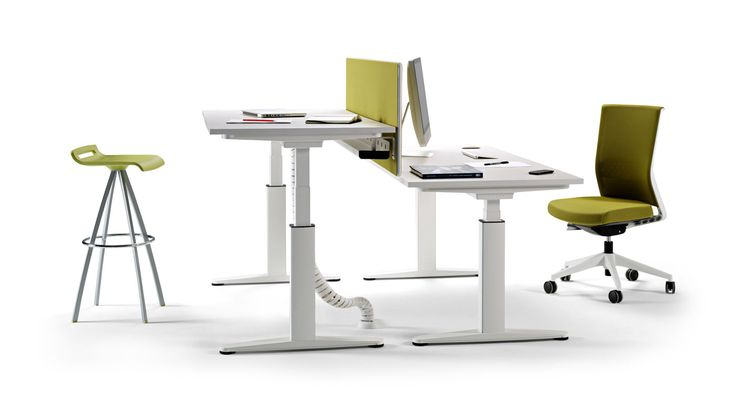
- IoT-enabled desks (such as Ailin Smart’s A9 series) that automatically adjust height based on posture sensors.
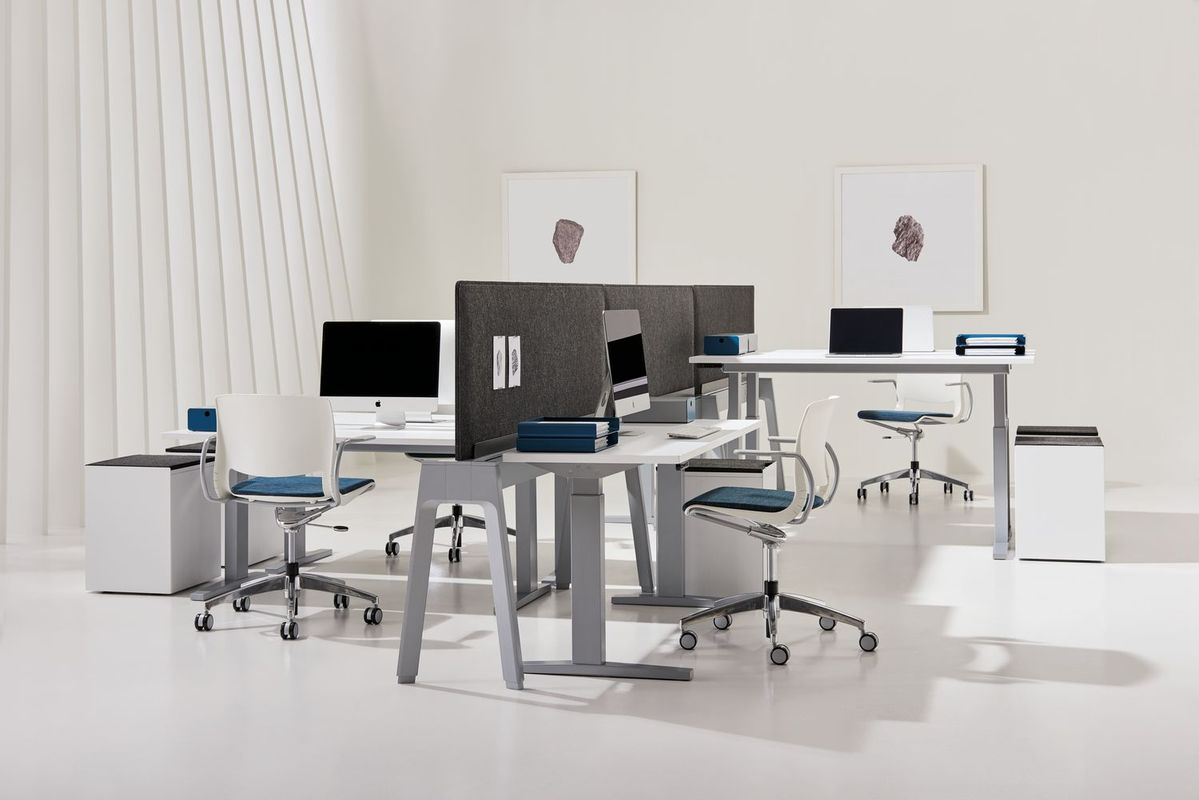
- Modular workstations (like SENO’s Swift Collection) that transform from solo work pods to collaborative hubs in seconds.
The global smart furniture market, valued at $2.5 billion in 2024, is projected to reach $10.7 billion by 2033, growing at a 17.4% CAGR. This explosive growth signals that smart workspaces aren’t just a trend—they’re the future of work.
2. IoT: The Invisible Nervous System of Smart Offices
While smart furniture forms the visible infrastructure, IoT acts as the brain, connecting devices to create a seamless, responsive environment. Key applications include:
A. Environmental Optimization
- Smart climate control adjusts temperature and airflow based on occupancy.
- Dynamic lighting mimics natural sunlight to regulate circadian rhythms.
- Air quality sensors detect CO₂ levels and trigger ventilation when needed.
B. Space Utilization Analytics
- Occupancy sensors track desk usage, helping companies optimize real estate (traditional offices often have 40-60% utilization, while smart offices reach 80-90%).
- AI-powered booking systems (like Offision’s cloud platform) let employees reserve desks, meeting rooms, and even lockers via an app.
C. Predictive Maintenance
- Smart desks alert facilities teams when hydraulic mechanisms need servicing.
- IoT-enabled chairs track wear and tear, reducing downtime.
3. The Business Case for Smart Workspaces
Why should companies invest in smart furniture and IoT? The ROI is compelling:
✅ 23% higher productivity (due to reduced distractions and better ergonomics).
✅ 40% lower real estate costs (through optimized space usage).
✅ Reduced absenteeism (smart furniture combats sedentary-related health issues, saving U.S. employers $45-54 billion annually).
✅ Enhanced talent attraction (83% of workers prefer companies with advanced workplace tech over higher salaries).
Brands like KOPLUS are already leading the charge with modular acoustic pods that integrate Zoom Workplace, AI assistants, and noise-canceling tech for hybrid meetings. Meanwhile, SENO’s Activa Lab focuses on ESG-friendly designs, using solar power and recycled materials to cut carbon emissions by 8,000 tons/year.
4. The Future: AI, AR, and Fully Adaptive Workspaces
The next wave of smart offices will leverage:
- AI-driven personalization (e.g., desks that adjust based on fatigue levels).
- Augmented Reality (AR) navigation (helping employees find available workspaces instantly).
- Biometric integration (chairs that monitor stress and suggest breaks).
As Zhengtai’s Innovation Director Gao Yuechang puts it: “The future office isn’t workplace-centered—it’s employee-centered.”.
Conclusion: The Smart Office Revolution Is Here
The fusion of smart furniture + IoT is transforming offices from static spaces into living ecosystems that boost efficiency, health, and sustainability. Companies that embrace this shift will attract top talent, cut costs, and future-proof their workplaces.
Are you ready to upgrade your workspace?
---
Key Takeaways for Independent Store Owners
If you’re running an e-commerce store in this niche, consider:
✔ Highlighting health benefits (e.g., "Reduce back pain with AI ergonomic chairs").
✔ Showcasing IoT integrations (e.g., "Control your desk via smartphone").
✔ Leveraging sustainability trends (e.g., "Eco-friendly smart desks with solar charging").
By tapping into these trends, you can drive higher engagement, conversions, and brand authority in the booming smart office market.
Would you like a product comparison guide or SEO-optimized buying tips to complement this article? Let me know how I can help further!